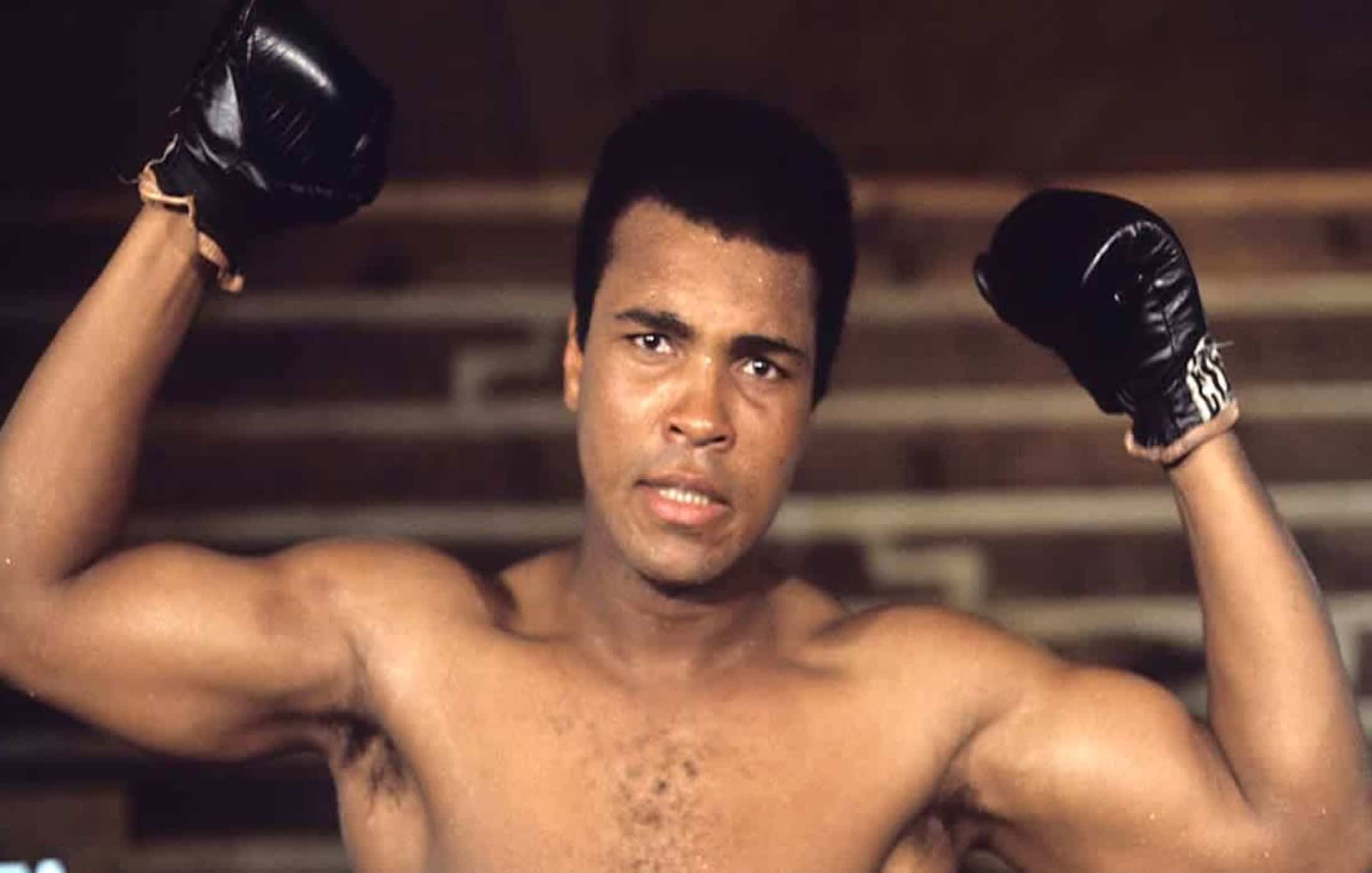
Muhammad Ali's net worth, estimated to be around $50 million at the time of his death, is a testament to his remarkable career as a boxer and social activist. His earnings came from various sources, including boxing purses, endorsements, and business ventures.
Ali's success in the ring was unmatched, as he won 56 of his 61 professional fights and held the world heavyweight championship three times. His fights against Joe Frazier and George Foreman are considered among the greatest in boxing history.
Beyond boxing, Ali was a vocal advocate for civil rights and social justice, using his platform to speak out against racism and poverty. He was also a philanthropist, donating millions of dollars to various charities.
Muhammad Ali Net Worth
Muhammad Ali's net worth is a testament to his remarkable career as a boxer and social activist. Here are ten key aspects of his net worth:
- Boxing purses
- Endorsements
- Business ventures
- Philanthropy
- Social activism
- Legacy
- Historical context
- Inflation
- Taxes
- Estate planning
Ali's boxing purses were the foundation of his net worth. He earned millions of dollars from his fights, including his legendary bouts against Joe Frazier and George Foreman. Ali also had lucrative endorsement deals with companies such as Coca-Cola and Adidas. Outside of boxing, Ali was a successful businessman, with ventures in real estate,,, and entertainment. He also donated millions of dollars to various charities and was a vocal advocate for civil rights and social justice.
Boxing Purses
Boxing purses were the foundation of Muhammad Ali's net worth. He earned millions of dollars from his fights, including his legendary bouts against Joe Frazier and George Foreman. These purses were a major factor in his overall net worth, which was estimated to be around $50 million at the time of his death.
Ali's boxing purses were not only a source of income but also a reflection of his status as one of the greatest boxers of all time. His fights were highly anticipated events that drew large crowds and generated significant revenue. Ali's ability to command high purses was a testament to his popularity and his dominance in the ring.
The connection between boxing purses and Muhammad Ali's net worth is significant because it highlights the financial rewards that can come with success in the sport of boxing. Ali's earnings from his fights allowed him to live a comfortable lifestyle and to support his family and various charitable causes.
Endorsements
Endorsements played a significant role in Muhammad Ali's net worth. Ali was one of the most marketable athletes of his time, and he leveraged his fame to secure lucrative endorsement deals with major companies such as Coca-Cola, Adidas, and Ford. These endorsements not only provided Ali with a substantial source of income but also helped to raise his profile and build his brand.
Ali's endorsements were particularly valuable because he was able to connect with a wide range of consumers. He was seen as a symbol of strength, courage, and determination, and his endorsements were often used to promote products that reflected these values. For example, Ali's endorsement of Coca-Cola was used to promote the company's message of "I'd Like to Buy the World a Coke." This endorsement was particularly successful because it aligned with Ali's own message of peace and unity.
The connection between endorsements and Muhammad Ali's net worth is significant because it highlights the importance of leveraging one's fame and reputation to generate income. Ali was able to use his endorsements to not only increase his net worth but also to promote his own values and beliefs.
Business ventures
Business ventures were a significant contributor to Muhammad Ali's net worth. Ali was a shrewd businessman who invested his earnings wisely and built a diversified portfolio of businesses. His ventures included real estate, hospitality, and entertainment.
- Real estate
Ali owned several properties, including a large estate in Cherry Hill, New Jersey. He also invested in commercial real estate, including a shopping center in Atlanta, Georgia.
- Hospitality
Ali owned several hotels and restaurants. His most famous hotel was the Muhammad Ali Hotel in Louisville, Kentucky. He also owned a restaurant chain called Muhammad Ali's Chicken.
- Entertainment
Ali starred in several movies and television shows. He also produced several documentaries and music albums. His most famous film role was in the movie "The Greatest," which was a biographical drama about his life.
Ali's business ventures were successful because he was able to leverage his fame and reputation to attract customers and investors. He was also a shrewd negotiator who was able to secure favorable deals. Ali's business ventures not only provided him with a substantial source of income but also helped to build his brand and legacy.
Philanthropy
Muhammad Ali was a generous philanthropist who donated millions of dollars to various charities throughout his life. He was particularly passionate about helping children and the underprivileged. Ali's philanthropy was motivated by his Muslim faith and his belief that everyone deserves a chance to succeed.
One of Ali's most notable philanthropic endeavors was the Muhammad Ali Center in Louisville, Kentucky. The center is a museum and cultural center that promotes peace, understanding, and respect. Ali also donated millions of dollars to schools, hospitals, and other organizations that provide services to children and the underprivileged.
Ali's philanthropy is a significant part of his legacy. He used his wealth and fame to make a positive impact on the world. Ali's generosity is an inspiration to others and a reminder that we all have a responsibility to help those in need.
Social activism
Muhammad Ali was a vocal advocate for social justice and civil rights throughout his life. He used his platform to speak out against racism, poverty, and war. Ali's social activism was motivated by his Muslim faith and his belief that everyone deserves to be treated with dignity and respect.
Ali's social activism had a significant impact on his net worth. He often donated money to charities and causes that he supported. He also used his platform to raise awareness of important issues. For example, Ali spoke out against the Vietnam War and refused to be drafted into the military. This decision cost him his boxing titles and a significant amount of money.
Despite the financial costs, Ali never wavered in his commitment to social activism. He believed that it was his duty to use his voice to speak out against injustice. Ali's social activism is a significant part of his legacy and continues to inspire people around the world.
Legacy
Muhammad Ali's legacy extends far beyond his boxing career and net worth. He is remembered as one of the greatest athletes of all time, a social activist, and a humanitarian. Ali's legacy is a testament to the power of one person to make a difference in the world.
Ali's commitment to social justice and his willingness to speak out against injustice inspired millions of people around the world. He was a tireless advocate for peace, equality, and understanding. Ali's legacy as a social activist is as important as his legacy as a boxer.
Ali's legacy is also tied to his business ventures. He was a shrewd businessman who built a diversified portfolio of businesses. Ali's success in business is a testament to his intelligence and his ability to leverage his fame and reputation. Ali's business ventures not only provided him with a substantial source of income but also helped to build his brand and legacy.
Historical context
Muhammad Ali's net worth is closely tied to the historical context in which he lived. Ali came to prominence during the Civil Rights Movement, and his activism and outspokenness on social issues contributed to his popularity and earning power. His success as a boxer also reflected the changing racial landscape of the United States in the 1960s and 1970s.
Ali's decision to change his name from Cassius Clay to Muhammad Ali in 1964 was a significant moment in his life and career. The name change reflected his conversion to Islam and his growing involvement in the Civil Rights Movement. Ali's new name and his outspoken support for social justice alienated some fans, but it also endeared him to many others. Ali's willingness to stand up for his beliefs, even at the cost of his career, helped to raise awareness of the Civil Rights Movement and inspired millions of people around the world.
Ali's success in the boxing ring also reflected the changing racial landscape of the United States in the 1960s and 1970s. Ali's victories over white opponents, such as Sonny Liston and George Foreman, were seen by many as symbolic victories for the Civil Rights Movement. Ali's success helped to break down racial barriers in sports and paved the way for other African American athletes to achieve success.
The historical context in which Muhammad Ali lived had a profound impact on his net worth. His activism and outspokenness on social issues contributed to his popularity and earning power. His success as a boxer also reflected the changing racial landscape of the United States in the 1960s and 1970s. Ali's legacy as a boxer and social activist is inextricably linked to the historical context in which he lived.
Inflation
Inflation is a general increase in prices and fall in the purchasing value of money. It is an important factor to consider when discussing Muhammad Ali's net worth because it can erode the value of his assets over time.
For example, if Muhammad Ali had invested $1 million in a savings account in 1960, that investment would be worth less than $200,000 today due to inflation. This is because the value of the dollar has decreased over time, meaning that it takes more dollars to buy the same goods and services.
Inflation can also impact the value of Muhammad Ali's real estate investments. For example, if he purchased a house for $100,000 in 1960, that house would likely be worth significantly more today. However, the increase in value may not keep pace with inflation, meaning that the house is not actually worth as much as it seems.
It is important to consider inflation when evaluating Muhammad Ali's net worth. Inflation can erode the value of his assets over time, meaning that his net worth may not be as high as it seems.
Taxes
Taxes are a significant expense that can impact an individual's net worth. Muhammad Ali, like all other taxpayers, was responsible for paying taxes on his income and assets. Taxes can reduce an individual's net worth by reducing the amount of money they have available to invest or save.
Muhammad Ali's tax situation was likely complex, given his high income and international activities. He would have been subject to both federal and state income taxes, as well as taxes on his business ventures and investments. Ali may also have been subject to taxes in other countries where he earned income or owned assets.
It is difficult to estimate exactly how much Muhammad Ali paid in taxes over the course of his life. However, it is clear that taxes were a significant expense for him. This is evident from the fact that Ali filed for bankruptcy in 1981, in part due to unpaid taxes. Ali's bankruptcy filing highlights the importance of tax planning and the potential consequences of failing to pay taxes.
The connection between taxes and Muhammad Ali's net worth is a reminder that taxes are a major factor that can impact an individual's financial well-being. It is important for individuals to understand their tax obligations and to plan accordingly.
Estate planning
Estate planning is the process of arranging the transfer of one's assets after death. It is an important part of financial planning, as it ensures that one's wishes are carried out and that their assets are distributed according to their wishes. Estate planning can also help to minimize taxes and other expenses associated with the transfer of assets.
Muhammad Ali's net worth was estimated to be around $50 million at the time of his death. He had a complex estate, including real estate, businesses, and investments. Ali's estate plan was designed to ensure that his assets were distributed according to his wishes and that his family was provided for after his death.
One of the most important aspects of Muhammad Ali's estate plan was the creation of a trust. A trust is a legal entity that holds assets for the benefit of one or more beneficiaries. Ali's trust was designed to hold his assets and distribute them to his beneficiaries according to his wishes. The trust also helped to minimize taxes and other expenses associated with the transfer of assets.
Muhammad Ali's estate plan is an example of how estate planning can be used to protect one's assets and ensure that one's wishes are carried out after death. Estate planning is an important part of financial planning, and it is something that everyone should consider.
Muhammad Ali Net Worth FAQs
This section addresses frequently asked questions about Muhammad Ali's net worth, providing concise and informative answers.
Question 1: What was Muhammad Ali's net worth at the time of his death?
Muhammad Ali's net worth was estimated to be around $50 million at the time of his death in 2016.
Question 2: What were the sources of Muhammad Ali's income?
Muhammad Ali's income came from various sources, including boxing purses, endorsements, business ventures, and speaking engagements.
Question 3: How did Muhammad Ali's social activism impact his net worth?
Muhammad Ali's social activism sometimes led to financial losses, such as when he was stripped of his boxing titles for refusing to be drafted into the military.
Question 4: What was the significance of Muhammad Ali's estate plan?
Muhammad Ali's estate plan was designed to ensure that his assets were distributed according to his wishes and that his family was provided for after his death.
Question 5: How did inflation affect Muhammad Ali's net worth over time?
Inflation eroded the value of Muhammad Ali's assets over time, meaning that his net worth may not be as high as it seems when compared to today's standards.
Question 6: What are some of the lessons that can be learned from Muhammad Ali's financial journey?
Muhammad Ali's financial journey teaches us the importance of financial planning, diversification, and giving back to the community.
In conclusion, Muhammad Ali's net worth was a product of his success in boxing, his business ventures, and his social activism. His financial journey provides valuable lessons about the importance of financial planning, diversification, and giving back to the community.
Transition to the next article section: Muhammad Ali's Legacy
Tips on Muhammad Ali's Net Worth
Muhammad Ali's net worth serves as a testament to his extraordinary achievements in boxing and beyond. Here are several tips inspired by his financial journey:
Tip 1: Diversify Your Income Streams
Muhammad Ali's income came from various sources, including boxing purses, endorsements, business ventures, and speaking engagements. Diversifying your income streams can provide financial stability and reduce risks.
Tip 2: Invest Wisely
Ali invested his earnings wisely in real estate, hospitality, and entertainment. Research and consult with financial experts before making investment decisions to maximize returns.
Tip 3: Leverage Your Platform
Ali used his fame to secure lucrative endorsement deals and promote his businesses. Identify opportunities to leverage your skills and reputation for financial gain.
Tip 4: Be Charitable
Ali was a generous philanthropist who donated millions to charities. Giving back to the community can bring personal fulfillment and potential tax benefits.
Tip 5: Plan for the Future
Ali's estate plan ensured that his assets were distributed according to his wishes. Develop an estate plan to protect your assets and provide for your loved ones.
Summary: Muhammad Ali's net worth is a reminder of the importance of financial planning, diversification, and using one's platform for good. By following these tips, you can enhance your financial well-being and create a lasting legacy.
Conclusion
Muhammad Ali's net worth serves as a testament to his remarkable achievements as a boxer, social activist, and philanthropist. His financial journey provides valuable lessons on the importance of financial planning, diversification, and giving back to the community.
Ali's success was not solely measured by monetary wealth but also by his profound impact on society. His unwavering principles, dedication to social justice, and indomitable spirit continue to inspire people worldwide. Ali's legacy extends far beyond the boxing ring, leaving a lasting imprint on history as a symbol of courage, compassion, and the relentless pursuit of one's dreams.
Unveiling The Visionary World Of Adriana Courtois In Computer Science
Alina Habba's Family: Unraveling The Private Lives Of Her Children
Unveiling Inbar Lavi's Spouse: A Journey Into Love, Business, And Philanthropy

Muhammad Ali Net Worth 2023 Wiki, Married, Family, Wedding, Salary
Muhammad Ali net worth, age, wiki, family, biography and latest updates

