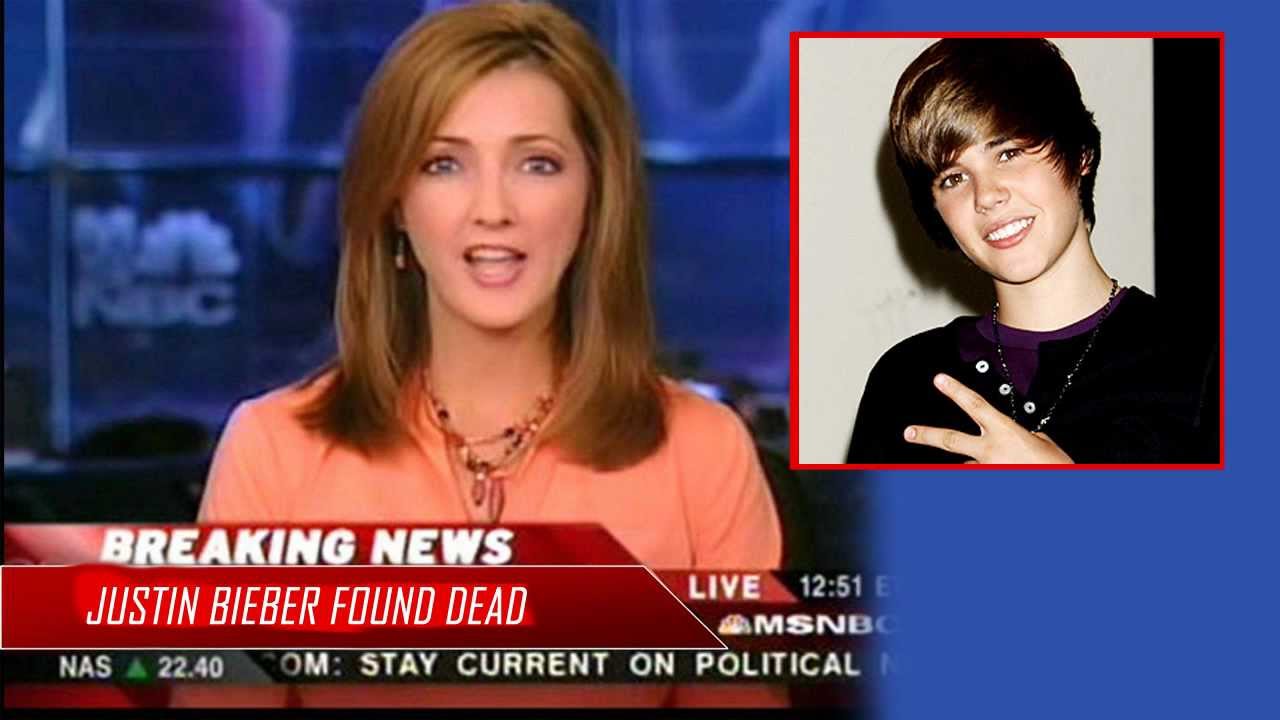
The term "Justin Bieber dead" is a search query that has been trending online, leading to widespread concern and speculation about the well-being of the popular singer. However, it is crucial to clarify that there is no credible evidence to support the claim that Justin Bieber has passed away.
The origin of this false information is unclear, but it has been circulating on social media and other online platforms, causing unnecessary distress and confusion among fans and the general public. It is essential to be cautious about consuming information from unverified sources and to rely on reputable news outlets for accurate updates.
Justin Bieber is alive and well, and he has recently been active on social media, interacting with fans and promoting his upcoming projects. The spread of false information can have serious consequences, including causing emotional distress and eroding trust in reliable sources of information. It is important to be mindful of the potential harm caused by spreading unverified claims and to always verify information before sharing it with others.
justin bieber dead
The term "justin bieber dead" has been circulating online, raising concerns about the well-being of the popular singer. While there is no credible evidence to support this claim, the spread of false information can have serious consequences.
- Hoax: The claim that Justin Bieber has passed away is a hoax, with no basis in fact.
- Misinformation: The spread of false information can cause confusion and distress among fans and the general public.
- Social media: Unverified claims often spread rapidly on social media platforms.
- Celebrity culture: The intense scrutiny of celebrities' lives can contribute to the spread of false information.
- Media responsibility: It is important for news outlets to verify information before reporting on it.
- Digital literacy: Individuals need to be able to critically evaluate information online.
- Emotional impact: False claims about celebrity deaths can cause emotional distress for fans and loved ones.
- Trust in media: The spread of false information can erode trust in reliable sources of news and information.
In conclusion, the key aspects related to the term "justin bieber dead" highlight the importance of being cautious about consuming information from unverified sources. It is essential to rely on reputable news outlets and to be mindful of the potential harm caused by spreading unverified claims. By promoting digital literacy and encouraging critical thinking, we can help to combat the spread of false information and maintain trust in reliable sources of news and information.
Hoax
The claim that Justin Bieber has passed away is a hoax, meaning it is a false or fabricated story with no basis in reality. This hoax has been spread primarily through social media and other online platforms, causing confusion and distress among fans and the general public.
The spread of false information, or misinformation, can have serious consequences. In the case of celebrity death hoaxes, the emotional impact on fans and loved ones can be significant. Additionally, the spread of false information can erode trust in reliable sources of news and information, making it more difficult for people to find accurate and truthful information.
It is important to be aware of the potential harm caused by spreading unverified claims and to always verify information before sharing it with others. By promoting digital literacy and encouraging critical thinking, we can help to combat the spread of false information and maintain trust in reliable sources of news and information.
Misinformation
The spread of false information, or misinformation, can have serious consequences, especially when it involves sensitive topics such as celebrity deaths. In the case of the "justin bieber dead" hoax, the spread of false information caused confusion and distress among fans and the general public.
- Emotional impact: False claims about celebrity deaths can cause emotional distress for fans and loved ones. In the case of the "justin bieber dead" hoax, many fans were understandably upset and concerned when they heard the news.
- Erosion of trust: The spread of false information can erode trust in reliable sources of news and information. When people see false information being spread, they may start to question the accuracy of other information they see online.
- Confusion and uncertainty: False information can create confusion and uncertainty, making it difficult for people to know what to believe. In the case of the "justin bieber dead" hoax, some fans were unsure whether or not the news was true, leading to further distress and confusion.
- Damage to reputation: False information can damage the reputation of the person or organization being targeted. In the case of the "justin bieber dead" hoax, the false information could have damaged Justin Bieber's reputation and caused him emotional distress.
It is important to be aware of the potential harm caused by spreading unverified claims and to always verify information before sharing it with others. By promoting digital literacy and encouraging critical thinking, we can help to combat the spread of false information and maintain trust in reliable sources of news and information.
Social media
The rapid spread of unverified claims on social media platforms has become a significant issue in the digital age, and the "justin bieber dead" hoax is a prime example of this phenomenon. Social media platforms provide a fertile ground for the dissemination of false information due to several factors:
- Ease of sharing: Social media platforms make it easy for users to share information with their followers, regardless of the accuracy or credibility of the information.
- Lack of gatekeeping: Unlike traditional media outlets, social media platforms have limited gatekeeping mechanisms, which means that users can post and share information without it being vetted or fact-checked.
- Emotional appeal: False information often appeals to people's emotions, making it more likely to be shared and spread on social media.
- Confirmation bias: Users tend to share information that confirms their existing beliefs, which can lead to the spread of false information within echo chambers.
The "justin bieber dead" hoax spread rapidly on social media platforms such as Twitter and Instagram, causing confusion and distress among fans and the general public. The false information was shared by both regular users and influential accounts, contributing to its reach and impact. This case highlights the need for social media users to be critical of the information they see online and to verify information before sharing it with others.
Celebrity culture
The intense scrutiny of celebrities' lives by the media and the public can contribute to the spread of false information in several ways.
- Public fascination: Celebrities are often the subject of intense public fascination, which can lead to a proliferation of rumors and speculation about their lives. This fascination can create a fertile ground for the spread of false information, as people may be more likely to believe unverified claims about celebrities than they would about non-celebrities.
- Media attention: The media's constant attention on celebrities can also contribute to the spread of false information. In their pursuit of scoops and exclusives, media outlets may sometimes report on unverified rumors or speculation without properly fact-checking. This can give false information a wider reach and make it more believable to the public.
- Celebrity statements: Celebrities themselves can also contribute to the spread of false information, intentionally or unintentionally. For example, a celebrity may make a statement that is taken out of context or misinterpreted by the media. This can lead to the spread of false information about the celebrity's beliefs or actions.
- Social media: Social media platforms provide a fertile ground for the spread of false information about celebrities. Anyone can post anything on social media, regardless of its accuracy or credibility. This can make it difficult for people to know what information is true and what is not.
The "justin bieber dead" hoax is a prime example of how celebrity culture can contribute to the spread of false information. The intense scrutiny of Justin Bieber's life by the media and the public created a fertile ground for the spread of false information about his death. The false information was spread rapidly on social media platforms, and many people believed it to be true until it was officially debunked.
Media responsibility
In the wake of the "justin bieber dead" hoax, the importance of media responsibility in reporting on celebrity news has come under scrutiny. News outlets have a duty to verify information before reporting on it, especially when it involves sensitive topics such as death. Failure to do so can have serious consequences, including causing emotional distress and eroding trust in the media.
- Accuracy and credibility: News outlets have a responsibility to report accurate and credible information. This means verifying information from multiple sources and being transparent about the sources of information. In the case of the "justin bieber dead" hoax, some news outlets reported the false information as fact without verifying it, which damaged their credibility.
- Emotional impact: False information about celebrity deaths can have a significant emotional impact on fans and loved ones. In the case of the "justin bieber dead" hoax, many fans were understandably upset and concerned when they heard the news. News outlets have a responsibility to be mindful of the potential emotional impact of their reporting and to avoid causing unnecessary distress.
- Public trust: The public's trust in the media is essential for a healthy democracy. When news outlets report false information, it erodes public trust in the media. In the case of the "justin bieber dead" hoax, some people may have lost trust in news outlets that reported the false information.
- Professional ethics: Journalists are bound by professional ethics to report the truth and to avoid sensationalism. Reporting false information violates these ethical principles and undermines the integrity of the profession.
The "justin bieber dead" hoax is a reminder of the importance of media responsibility. News outlets have a duty to verify information before reporting on it, especially when it involves sensitive topics such as death. Failure to do so can have serious consequences, including causing emotional distress and eroding trust in the media.
Digital literacy
In the digital age, it is more important than ever to be able to critically evaluate information online. This is especially true when it comes to news and information about celebrities, as false information can spread rapidly and easily on social media and other online platforms.
The "justin bieber dead" hoax is a prime example of how false information can spread online. The hoax originated on social media and quickly spread to other online platforms and news outlets. Many people believed the hoax to be true, and it caused a great deal of distress and confusion.
This hoax highlights the importance of digital literacy. Individuals need to be able to critically evaluate information online in order to determine whether or not it is credible. This means being able to identify the source of the information, to assess the credibility of the source, and to consider the evidence that is presented.
There are a number of things that individuals can do to improve their digital literacy skills. These include:
- Learning how to identify the source of information online.
- Assessing the credibility of the source.
- Considering the evidence that is presented.
- Being aware of their own biases.
- Being skeptical of information that seems too good to be true.
By developing their digital literacy skills, individuals can become more informed and critical consumers of information online. This is essential for making informed decisions and avoiding the spread of false information.
Emotional impact
The false claim that Justin Bieber had passed away caused significant emotional distress for his fans and loved ones. Many fans were understandably upset and concerned when they heard the news, and some even experienced anxiety and depression. The hoax also caused distress for Bieber's family and friends, who had to deal with the added stress ofing the false information.
- Shock and disbelief: When fans and loved ones hear that a celebrity they admire has died, they may experience shock and disbelief. They may have difficulty processing the news and may feel like they are in a state of denial.
- Sadness and grief: The death of a celebrity can trigger feelings of sadness and grief, even for people who did not know the celebrity personally. Fans may feel like they have lost a friend or family member, and they may experience a sense of emptiness and loss.
- Anger and frustration: False claims about celebrity deaths can also lead to feelings of anger and frustration. Fans may be angry that someone would spread such a malicious rumor, and they may be frustrated that the false information is causing so much distress.
- Anxiety and depression: In some cases, false claims about celebrity deaths can lead to anxiety and depression. Fans may worry that the celebrity is actually dead, even after the false information has been debunked. They may also experience feelings of hopelessness and despair.
The emotional impact of false claims about celebrity deaths can be significant. It is important to be aware of the potential harm that can be caused by spreading such rumors, and to be mindful of the feelings of fans and loved ones when reporting on celebrity deaths.
Trust in media
The spread of false information about celebrity deaths, such as the "justin bieber dead" hoax, can have a significant impact on public trust in the media. When people are exposed to false information, they may begin to question the accuracy and reliability of all news sources. This can lead to a decline in trust in the media, which can have a number of negative consequences.
- Reduced credibility: False information can damage the credibility of news organizations. When people believe that a news organization has reported false information, they may be less likely to trust that organization in the future. This can lead to a decline in readership, viewership, and advertising revenue.
- Increased skepticism: False information can make people more skeptical of all news sources. When people are exposed to false information, they may begin to question the accuracy and reliability of all news sources, even those that are reputable. This can make it difficult for news organizations to get their message out to the public.
- Erosion of public discourse: False information can erode public discourse. When people are exposed to false information, they may be more likely to believe it and to share it with others. This can lead to the spread of misinformation and disinformation, which can make it difficult for people to have informed discussions about important issues.
The "justin bieber dead" hoax is a reminder of the importance of trust in the media. When people trust the media, they are more likely to be informed about important issues and to make informed decisions. However, when trust in the media is eroded, it can have a negative impact on public discourse and on society as a whole.
Frequently Asked Questions about "justin bieber dead"
This section addresses commonly asked questions and misconceptions surrounding the false claim that Justin Bieber has passed away.
Question 1: Is Justin Bieber actually dead?
Answer: No, Justin Bieber is not dead. The claim that he has passed away is a hoax that has been circulating online.
Question 2: Where did the rumor originate?
Answer: The origin of the hoax is unclear, but it is believed to have started on social media platforms.
Question 3: Why do people spread false information like this?
Answer: There are many reasons why people spread false information, including attention-seeking, malice, and a lack of critical thinking skills.
Question 4: What impact can false information have?
Answer: False information can have a significant impact, including causing emotional distress, eroding trust in the media, and spreading misinformation.
Question 5: How can I protect myself from false information?
Answer: There are a number of things you can do to protect yourself from false information, including being critical of the information you see online, verifying information from multiple sources, and being aware of your own biases.
Question 6: What should I do if I see false information being spread?
Answer: If you see false information being spread, you should report it to the platform where you saw it and/or fact-check the information yourself. You can also help to spread awareness about the dangers of false information.
Summary: It is important to be aware of the dangers of false information and to be critical of the information you see online. If you see false information being spread, you should report it and/or fact-check it yourself. You can also help to spread awareness about the dangers of false information.
Transition: For more information on this topic, please see the following resources:
Tips for Avoiding Misinformation About Celebrity Deaths
The false claim that Justin Bieber had passed away is a reminder of the importance of being aware of misinformation and disinformation. Here are some tips for avoiding misinformation about celebrity deaths:
Tip 1: Be skeptical of sensational headlines.Headlines that are designed to shock or grab attention are often more likely to be false. If a headline seems too good to be true, it probably is.Tip 2: Check the source of the information.Before you share or believe any information, check the source. Is it a reputable news organization? Is it a website or social media account that is known for spreading false information?Tip 3: Consider the evidence.When you are evaluating a claim, consider the evidence that is presented. Is there any credible evidence to support the claim? Or is it based on speculation or hearsay?Tip 4: Be aware of your own biases.We all have biases, and these biases can make us more likely to believe information that confirms our existing beliefs. Be aware of your own biases and try to be open to information that challenges your beliefs.Tip 5: If you are unsure, don't share it.If you are unsure whether or not a piece of information is true, don't share it. It is better to be safe than sorry.Summary: By following these tips, you can help to avoid misinformation about celebrity deaths and other topics. It is important to be aware of the dangers of misinformation and to be critical of the information you see online.Transition: For more information on this topic, please see the following resources:
Conclusion
The false claim that Justin Bieber had passed away highlights the dangers of misinformation and disinformation. It is important to be aware of the dangers of false information and to be critical of the information you see online. By following the tips outlined in this article, you can help to avoid misinformation about celebrity deaths and other topics.
It is also important to remember that false information can have a significant impact on individuals and society as a whole. False information can cause emotional distress, erode trust in the media, and spread misinformation. It is important to be aware of the dangers of false information and to be critical of the information you see online.
Discoveries And Insights: Unveiling The Legacy Of Nora Ellis
Unveiling The Genius Of Ramzi Habibi: Discoveries That Transform Natural Language Processing
Unveiling The Private World Of Mark Mateschitz's Wife: Exclusive Insights

Is Justin Bieber Dead? This Site Has the Constantly Calling Wolf
News Justin Bieber Found Dead at Concert YouTube

