Al Roker's education shaped his successful career as a meteorologist and television personality.
Roker graduated from the State University of New York at Oswego with a B.S. in Meteorology in 1976. He then went on to earn an M.S. in Journalism from New York University in 1984. Roker's education gave him the knowledge and skills he needed to succeed in his chosen field.
Roker's education is an important part of his success story. It gave him the foundation he needed to build a successful career in meteorology and television. Roker's story is an inspiration to students who are interested in pursuing a career in meteorology or journalism.
Al Roker Education
Al Roker's education is an important part of his success story. It gave him the foundation he needed to build a successful career in meteorology and television.
- Meteorology degree: Roker's meteorology degree gave him the knowledge and skills he needed to become a successful meteorologist.
- Journalism degree: Roker's journalism degree gave him the communication skills he needed to succeed in television.
- Experience: Roker's experience in both meteorology and journalism helped him to develop the skills he needed to succeed in his career.
- Hard work: Roker's hard work and dedication helped him to achieve his goals.
- Perseverance: Roker's perseverance helped him to overcome the challenges he faced in his career.
- Passion: Roker's passion for meteorology and television helped him to stay motivated and engaged in his work.
- Mentorship: Roker's mentors helped him to develop his skills and knowledge.
- Networking: Roker's networking helped him to build relationships with other professionals in his field.
- Luck: Roker's luck helped him to be in the right place at the right time.
These are just some of the key aspects that contributed to Al Roker's success. His story is an inspiration to students who are interested in pursuing a career in meteorology or journalism.
Meteorology degree
Al Roker's meteorology degree gave him the foundation he needed to build a successful career in meteorology. He learned the science of weather forecasting and gained the skills necessary to communicate weather information to the public.
- Understanding weather patterns: Roker's meteorology degree gave him a deep understanding of weather patterns and how they affect our lives. This knowledge is essential for meteorologists who need to be able to forecast the weather accurately.
- Forecasting skills: Roker's meteorology degree also gave him the skills he needed to forecast the weather. He learned how to use weather data and models to make accurate predictions about future weather conditions.
- Communication skills: In addition to his scientific knowledge and forecasting skills, Roker's meteorology degree also gave him the communication skills he needed to succeed in television. He learned how to communicate complex weather information in a clear and concise way.
Roker's meteorology degree was an important part of his success story. It gave him the knowledge, skills, and foundation he needed to build a successful career in meteorology.
Journalism degree
In addition to his meteorology degree, Al Roker also earned a journalism degree from New York University. This degree gave him the communication skills he needed to succeed in television.
- Clear and concise communication: Roker's journalism degree taught him how to communicate complex information in a clear and concise way. This is an essential skill for meteorologists who need to be able to convey weather information to the public in a way that is easy to understand.
- Storytelling: Roker's journalism degree also taught him how to tell stories. This skill is important for meteorologists who need to be able to engage viewers and keep them interested in the weather.
- Interviewing skills: Roker's journalism degree also gave him the interviewing skills he needed to succeed in television. He learned how to ask the right questions and get people to open up.
- Writing skills: Roker's journalism degree also gave him the writing skills he needed to succeed in television. He learned how to write clear and concise scripts.
Roker's journalism degree was an important part of his success story. It gave him the communication skills he needed to succeed in television.
Experience
Al Roker's experience in both meteorology and journalism was an important part of his education. It gave him the opportunity to apply the knowledge and skills he learned in the classroom to real-world situations.
For example, Roker's experience as a meteorologist at WNBC-TV in New York City gave him the opportunity to learn how to forecast the weather and communicate weather information to the public. This experience was invaluable to him when he later became a weather anchor on NBC's Today show.
Similarly, Roker's experience as a journalist at WNBC-TV gave him the opportunity to develop his interviewing and writing skills. This experience was invaluable to him when he later became a host on Today.
Roker's experience in both meteorology and journalism helped him to develop the skills he needed to succeed in his career. This experience gave him the opportunity to apply the knowledge and skills he learned in the classroom to real-world situations. This experience also helped him to develop the confidence and poise he needed to succeed in front of the camera.
Hard work
Al Roker's hard work and dedication were essential to his success in the field of meteorology and journalism. Despite facing numerous challenges and setbacks throughout his career, Roker never gave up on his dreams. He continued to work hard and persevere, eventually achieving his goals of becoming a successful meteorologist and television personality.
Roker's hard work and dedication can be seen in his educational background. He earned a B.S. in Meteorology from the State University of New York at Oswego and an M.S. in Journalism from New York University. In addition to his formal education, Roker also gained valuable experience working as a meteorologist and journalist at various local television stations before joining NBC News.
Roker's hard work and dedication have paid off. He is now one of the most respected and well-known meteorologists in the United States. He has won numerous awards for his work, including three Emmy Awards and a Peabody Award. Roker is also a best-selling author and has written several books about weather and climate change.
Roker's story is an inspiration to anyone who is pursuing their dreams. It shows that with hard work and dedication, anything is possible.
Perseverance
Al Roker's perseverance was essential to his success in the field of meteorology and journalism. Despite facing numerous challenges and setbacks throughout his career, Roker never gave up on his dreams. He continued to work hard and persevere, eventually achieving his goals of becoming a successful meteorologist and television personality.
- Overcoming Obstacles: Roker faced many obstacles throughout his career, including racism, discrimination, and personal setbacks. However, he never let these challenges stop him from pursuing his dreams. He continued to work hard and persevere, eventually achieving his goals.
- Setting Goals: Roker's perseverance was also evident in his ability to set and achieve goals. He always had a clear vision for his career, and he worked hard to make his dreams a reality. He never gave up on his goals, even when faced with setbacks.
- Adapting to Change: The field of meteorology and journalism is constantly changing, and Roker has always been willing to adapt to change. He has embraced new technologies and new ways of communicating weather information to the public. His willingness to adapt to change has helped him to stay ahead of the curve and remain successful in his field.
- Seeking Support: Roker has also been able to persevere thanks to the support of his family, friends, and colleagues. He has always had people who believe in him and who have helped him to overcome challenges. His support system has been essential to his success.
Roker's perseverance is an inspiration to anyone who is pursuing their dreams. It shows that with hard work and dedication, anything is possible.
Passion
Al Roker's passion for meteorology and television was an important factor in his success in both fields. His passion helped him to stay motivated and engaged in his work, even when faced with challenges. It also helped him to develop a deep understanding of weather and climate, and to communicate complex weather information to the public in a clear and engaging way.
- Meteorology: Roker's passion for meteorology began at a young age. He was fascinated by weather patterns and storms, and he loved to learn about how they worked. This passion led him to pursue a degree in meteorology, and it has continued to drive his work as a meteorologist throughout his career.
- Television: Roker's passion for television also began at a young age. He was a natural performer, and he loved to be in front of the camera. This passion led him to pursue a career in television, and it has helped him to become one of the most successful and well-known meteorologists in the United States.
- Communication: Roker's passion for communication is evident in his work as a meteorologist and television personality. He has a gift for explaining complex weather information in a clear and engaging way. This skill has helped him to become one of the most trusted and respected meteorologists in the United States.
Roker's passion for meteorology, television, and communication has been the driving force behind his success. It has helped him to stay motivated and engaged in his work, and it has helped him to develop the skills and knowledge necessary to succeed in both fields.
Mentorship
Mentorship played a significant role in Al Roker's educational journey and professional development. Throughout his career, Roker has had the privilege of learning from and collaborating with experienced and knowledgeable individuals who have guided his growth and success.
One notable mentor in Roker's life was Willard Scott, a renowned meteorologist and television personality. Scott took Roker under his wing during the early stages of his career and provided valuable guidance and support. Roker credits Scott with teaching him the importance of clear communication, storytelling, and connecting with the audience.
Another influential mentor for Roker was Bryant Gumbel, a respected journalist and television host. Gumbel recognized Roker's potential and encouraged him to pursue a career in broadcast journalism. Roker's association with Gumbel helped him develop his interviewing skills, news judgment, and professional demeanor.
The mentorship Roker received extended beyond the field of meteorology and journalism. He also sought guidance from individuals in the entertainment industry, such as David Letterman and Regis Philbin. These mentors provided Roker with insights into the entertainment business and helped him navigate the challenges of working in a competitive and demanding industry.
The mentorship Roker received was instrumental in shaping his education and career. His mentors not only imparted technical knowledge and skills but also provided invaluable advice, encouragement, and support. They helped Roker identify his strengths, set goals, and overcome obstacles, contributing to his overall personal and professional growth.
Networking
Networking played a crucial role in Al Roker's education and career development. By building relationships with other professionals in the field, Roker gained access to valuable knowledge, opportunities, and support that contributed to his success.
- Access to Information and Resources: Through networking, Roker was able to connect with experts and practitioners who shared their knowledge and experience with him. This provided him with insights into industry trends, best practices, and emerging technologies, which enhanced his understanding of meteorology and journalism.
- Collaboration and Partnerships: Roker's network allowed him to collaborate on projects and initiatives with other professionals. By working together, he was able to share his expertise, learn from others, and contribute to the advancement of the field.
- Career Advancement: Networking helped Roker to identify job opportunities and make career connections. By maintaining relationships with professionals in the industry, he was able to learn about potential openings and receive recommendations for positions that aligned with his skills and aspirations.
- Mentorship and Guidance: Roker's network provided him with access to mentors and advisors who offered guidance and support throughout his career. These individuals helped him navigate the challenges of the industry, develop his professional skills, and achieve his goals.
Networking was an integral part of Al Roker's education and career journey. By building relationships with other professionals in the field, he gained valuable insights, opportunities, and support that contributed to his success as a meteorologist and television personality.
Luck
While formal education and hard work played significant roles in Al Roker's success, luck also played a part in his journey. Being in the right place at the right time presented opportunities that contributed to his career advancement.
One notable example occurred early in Roker's career when he was working as a weatherman at a local television station in Syracuse, New York. A snowstorm hit the area, and Roker's coverage of the storm impressed the executives at NBC News. They offered him a job as a weather anchor for the Today show, which was a major career breakthrough for Roker.
Another instance of luck occurred when Roker was filling in for Bryant Gumbel on the Today show. Gumbel was scheduled to interview President George H.W. Bush, but he had to cancel at the last minute. Roker stepped in and conducted the interview, which was a critical moment in his career. It showcased his interviewing skills and helped him gain recognition as a respected journalist.
While luck can play a role in success, it's important to note that it is not the sole factor. Roker's education, hard work, and dedication laid the foundation for his career. Luck presented opportunities, but it was his preparedness and talent that allowed him to seize them.
FAQs on Al Roker's Education
Al Roker, the renowned meteorologist and television personality, has had a distinguished educational journey. Here are answers to some frequently asked questions about his academic background:
Question 1: What is Al Roker's educational background?
Al Roker holds a Bachelor of Science degree in Meteorology from the State University of New York at Oswego and a Master of Science degree in Journalism from New York University.
Question 2: How did Roker's education contribute to his career?
Roker's education provided him with a strong foundation in meteorology, journalism, and communication skills. His degrees gave him the knowledge and expertise necessary to succeed in his chosen field.
Question 3: What was Roker's area of specialization in meteorology?
Roker specialized in weather forecasting and atmospheric sciences. His understanding of weather patterns and climate change has been instrumental in his successful career as a meteorologist.
Question 4: Did Roker receive any awards or recognition for his academic achievements?
Yes, Roker has received several awards and honors for his academic accomplishments, including the SUNY Oswego Distinguished Alumnus Award and the New York University Alumni Achievement Award.
Question 5: Did Roker face any challenges or obstacles during his education?
Like many students, Roker faced challenges during his academic journey. However, he persevered through these obstacles and emerged as a successful and accomplished individual.
Question 6: What advice would Roker give to aspiring meteorologists or journalists?
Roker emphasizes the importance of education, hard work, and perseverance. He advises aspiring professionals to pursue their passions, embrace challenges, and never give up on their dreams.
Summary: Al Roker's education has played a vital role in his successful career as a meteorologist and television personality. His degrees in meteorology and journalism have provided him with the knowledge, skills, and confidence to excel in his field. Roker's academic achievements, coupled with his dedication and hard work, have made him an inspiration to aspiring professionals.
Transition: Al Roker's educational journey is a testament to the power of pursuing knowledge and following one's passions. It serves as a reminder that with determination and perseverance, individuals can achieve their academic and career goals.
Tips for Success Inspired by Al Roker's Educational Journey
Al Roker's educational background and career trajectory offer valuable lessons for individuals seeking success in meteorology, journalism, or any chosen field. Here are some tips inspired by Roker's journey:
Tip 1: Pursue Your Passions: Identify what genuinely interests you and align your education and career with those passions. Roker's love for meteorology and communication fueled his drive to succeed in his chosen field.Tip 2: Acquire a Strong Educational Foundation: Formal education provides the knowledge, skills, and credibility necessary for success. Roker's degrees in meteorology and journalism laid the groundwork for his expertise and credibility.Tip 3: Embrace Hands-On Experience: Complement your education with practical experience through internships, research projects, or part-time work. This experience will enhance your skills and make you a more competitive candidate in the job market.Tip 4: Be Adaptable and Open to Change: The world is constantly evolving, and industries are rapidly changing. Be willing to adapt your skills and knowledge to emerging trends and technologies, as Roker has done throughout his career.Tip 5: Build a Strong Network: Networking is crucial for career growth. Attend industry events, connect with professionals on LinkedIn, and seek mentorship opportunities to expand your professional circle.Tip 6: Seek Mentorship and Guidance: Find mentors who can provide support, advice, and guidance. Roker's mentors, including Willard Scott and Bryant Gumbel, played a pivotal role in his development.Tip 7: Persevere Through Challenges: Obstacles are inevitable in any career. Learn from setbacks, stay resilient, and never give up on your goals. Roker's perseverance has been a driving force behind his success.Tip 8: Stay Curious and Continuously Learn: Education is an ongoing process. Stay updated with industry trends, research new technologies, and engage in professional development opportunities to enhance your knowledge and skills.Conclusion
Al Roker's educational journey serves as an inspiration to aspiring professionals in meteorology, journalism, and beyond. His pursuit of knowledge, coupled with his unwavering dedication and perseverance, has paved the way for a remarkable career. Roker's educational background and experiences offer valuable lessons for individuals seeking success in their chosen fields.
The exploration of "al roker education" in this article highlights the importance of aligning education with passions, acquiring a strong educational foundation, embracing practical experience, and staying adaptable to change. Additionally, the article emphasizes the significance of networking, seeking mentorship, and persevering through challenges. By embodying these principles, individuals can emulate Roker's success and contribute meaningfully to their respective fields.
Unveiling The Dynamic Duo: Curtis Jackson And Nancy Mace's Partnership
Unraveling The Truth: Kyla Pratt's Twin Brother Mystery Solved
Unveiling The Secrets Of Leanne Wong's Success: Discover The Pillars Of Support

al roker
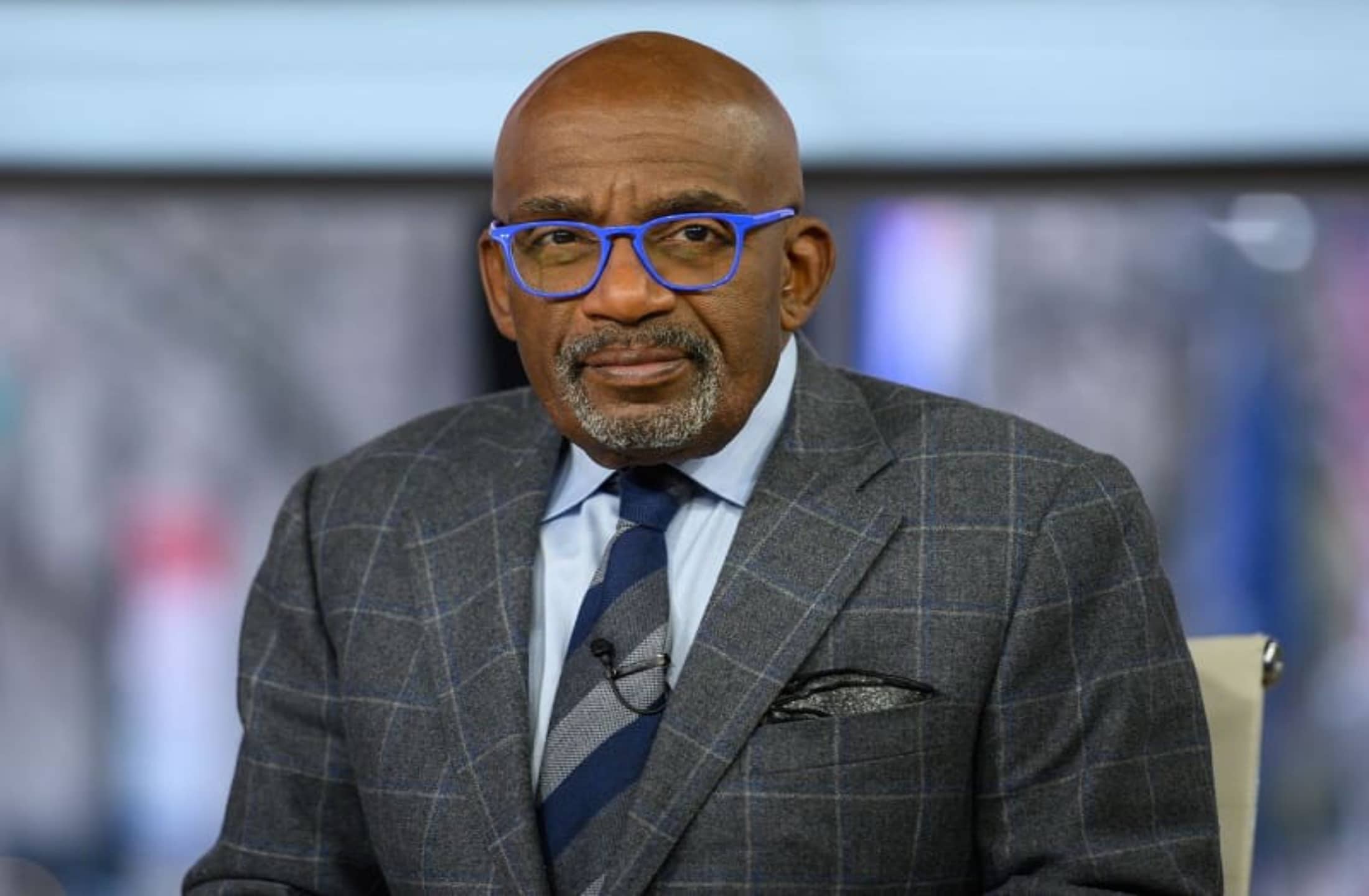
Al Roker bio net worth, age, height, weight, wife, kids, wiki Kemi

